
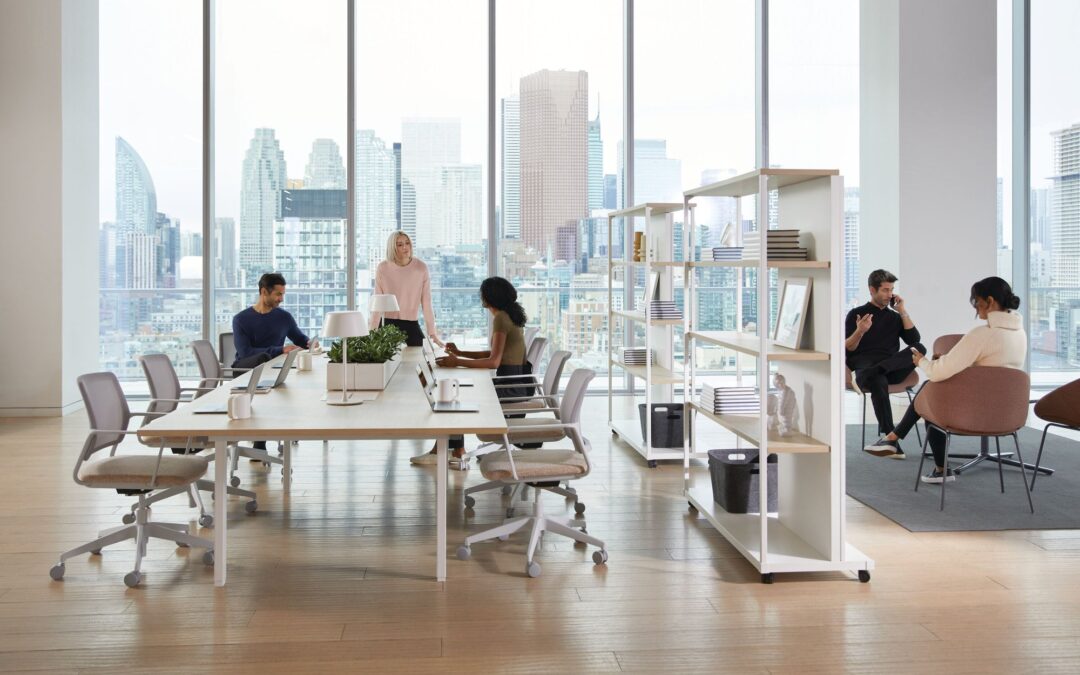
The modern office is no longer just a place where people show up; it is a strategic tool for business growth. So, understanding how to design commercial interiors in today’s market is more important than ever.
Gone are the days of cubicles and gray walls. Today, the goal is building high-performance ecosystems where flexibility and employee comfort take center stage. This shift ensures your workspace supports your people while hitting your bottom-line goals.
In this guide, we will explore the essential strategies for creating an agile workspace that enhances productivity and future-proofs your investment.
Map the Floor Plan for Diverse Work Styles
The most effective floor plans are no longer one-size-fits-all. When considering how to design commercial interiors, you must balance "me" spaces for focus with "we" spaces for collaboration.
A great layout swaps rigid rows for a vibrant mix of ancillary lounges and huddle rooms. This gives your team the freedom to choose the best spot for their specific needs throughout the day.
To map a successful floor plan, designers should consider incorporating these kinds of work zones:
- Deep Focus Pods: Implement shielded, acoustically treated zones to protect high-concentration tasks.
- Agile Huddle Hubs: Designate flexible areas for quick, unbooked brainstorms and team updates.
- Ancillary Social Zones: Create curated lounges that encourage informal networking and culture-building.
- Hybrid-Ready Meeting Rooms: Spec spaces with integrated tech and sightlines for seamless remote participation.
Strategically mapping these zones ensures that every square foot stays productive. This variety creates a destination that actually supports the hybrid reality of the modern workforce.
Consider Future-Proof Materials and Designs
Static environments are a liability in a fast-paced market. When researching how to design commercial interiors, designers are increasingly moving away from permanent drywall in favor of agile, prefabricated systems.
Architectural interiors allow for rapid reconfiguration without the mess or cost of traditional construction. This flexibility ensures that the space can evolve alongside the business, keeping the floor plan relevant for years to come.

To future-proof a commercial space, consider integrating these adaptable materials:
- Demountable Wall Systems: Swap permanent partitions for solid or glass walls that can be moved or re-installed as headcounts fluctuate.
- Modular Glass Fronts: Maximize natural light and visual transparency while maintaining acoustic separation between zones.
- Agile Furniture Specifications: Focus on selecting commercial furniture products that are mobile or modular to complement the flexible wall layouts.
- Integrated Power and Data: Use architectural walls with built-in channels to simplify tech updates and hardware relocations.
- Low-VOC and Sustainable Finishes: Select materials that meet modern LEED or WELL standards to ensure long-term environmental compliance.
Investing in these systems creates a plug-and-play environment. This strategic approach to materials ensures your design remains functional, sustainable, and ready for whatever comes next.
Optimize for Acoustics and Privacy
As beautiful as a design may be, it fails in its function if the people inside cannot concentrate. When determining how to design commercial interiors, managing the soundscape is just as vital as the visual layout.
The open office buzz can quickly shift from collaborative to distracting. Designers must balance the desire for transparency with the functional need for confidential conversations and deep-focus zones.
To protect productivity, consider these acoustic and privacy strategies:
- Sound Masking Systems: Implement ambient background sound to reduce the intelligibility of distant conversations and minimize distractions.
- Acoustic Ceiling and Wall Treatments: Use high-performance clouds or fabric-wrapped panels to absorb sound reflections in high-traffic areas.
- Fabric Tackboards: Integrate dual-purpose vertical surfaces that offer visual privacy while providing additional sound absorption.
- Private Huddle Rooms: Spec enclosed pods for private calls or sensitive meetings to ensure the main floor plan stays quiet.
Solving for sound ensures that the workplace remains a functional environment where employees can actually focus. By optimizing these acoustics, you create a professional atmosphere that respects both privacy and productivity.
Balance Ergonomics and Brand Identity
Design should never be a choice between comfort and style. When deciding how to design commercial interiors, the most successful spaces use high-performance furniture to reinforce the company’s culture and brand identity.
A well-curated environment acts as a silent ambassador for a business. By selecting the right fabrics, colors, and finishes, you can create a space that feels intentional and aligned with organizational values.

To achieve this balance, focus on these human-centric elements:
- High-Performance Ergonomics: Choose seating and adjustable workstations—like those from Teknion—that support physical health and long-term comfort.
- Curated Finish Selections: Use a mix of textures and palettes to differentiate zones while maintaining a cohesive brand aesthetic.
- Biophilic Elements: Integrate natural materials and greenery to boost employee well-being and reduce workplace stress.
- Brand-Integrated Signage: Use architectural walls as a canvas for logos or custom graphics that tell the company’s story.
Prioritizing these details ensures that the office is both functional and inspiring. Balancing ergonomics with brand identity creates a workspace where people feel valued and connected to the mission.
Proven Strategies: How to Design Commercial Interiors for Maximum Impact
Bringing all these elements together requires a holistic vision rather than a series of isolated choices. Knowing how to design commercial interiors effectively means ensuring that your layout, materials, and acoustics work in total harmony.
To maximize the impact of your next interior project, keep these core strategies in mind:
- Integrate Early: Bring in furniture and architectural wall specialists during the initial space planning phase to avoid costly late-stage changes.
- Focus on User Journey: Walk through the floor plan from the perspective of both a daily employee and a visiting client to identify friction points.
- Prioritize Adaptability: Choose modular systems that allow you to pivot quickly as business goals or team structures evolve.
- Measure Success: Use space evaluation tools to track how different zones are actually being used post-occupancy.
By following these proven strategies, you ensure that every design decision adds measurable value to the business. A well-executed interior doesn't just look impressive; it actively supports the people who drive the company forward.
Choose a Full-Service Partner for Your Commercial Interior Project
Designing a high-performance office is a complex task, but you don’t have to navigate it alone. Knowing how to design commercial interiors that truly perform requires a partner who understands the full project lifecycle, from planning to installation.
At Innovative Commercial Interiors, our 35-year Teknion partnership allows us to deliver world-class products with a people-first approach. We proudly support clients nationwide with seamless procurement and architectural wall expertise.
Ready to transform your environment? Get in touch with us to schedule a professional space evaluation or furniture specification consultation.