
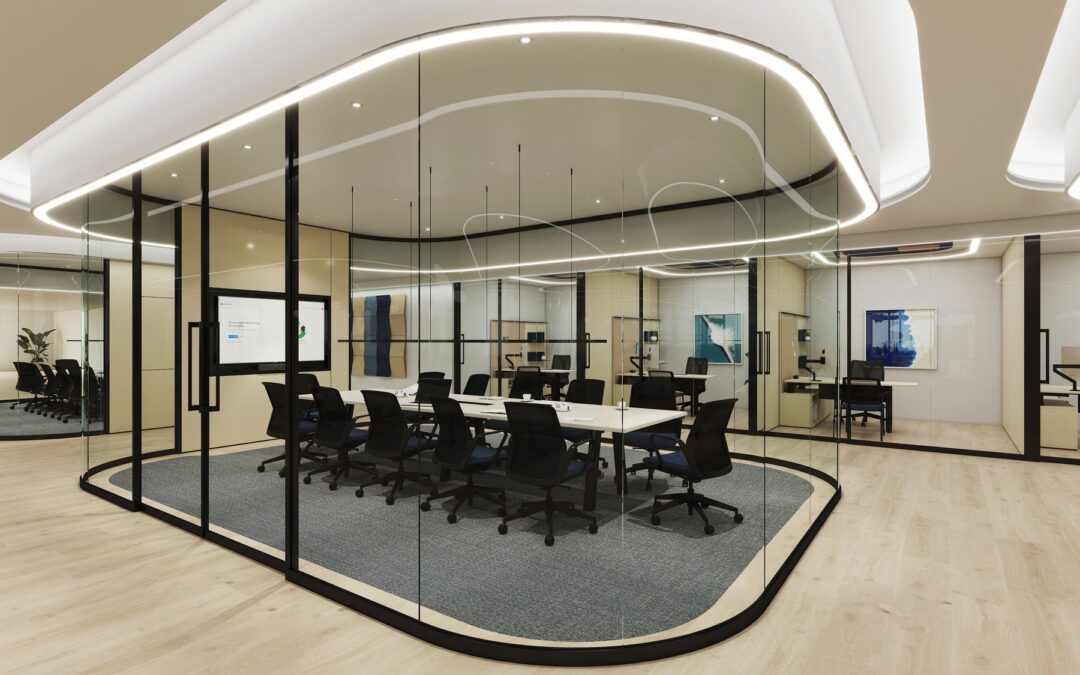
Commercial interior projects demand coordination across many moving parts. Corporate clients, architects, and facility managers increasingly rely on certified Teknion dealers to manage the full scope of that complexity. From initial space planning through installation, a structured approach separates projects that finish on time from those that spiral into costly delays.
Experienced project teams treat commercial interiors not as a procurement task but as a managed discipline. Understanding how each phase connects helps decision-makers set realistic expectations. It minimizes costly surprises and leads to a workspace that performs as intended.
Building a Solid Commercial Interior Projects Foundation Through Space Planning
Before a single product is specified, stakeholders need a clear picture of how the space will function. Space planning is more than arranging desks on a floor plan. It maps how teams collaborate, how traffic flows, and how the environment supports daily work habits.

A careful space planning process unearths potential conflicts early. Circulation bottlenecks, inadequate storage, and poor acoustic zoning are far less expensive to fix on paper than during installation. This stage also helps decision-makers align on priorities. That alignment makes specification and purchasing more efficient downstream.
Decisions made here ripple through every subsequent step of commercial interior projects. Organizations that invest adequate time in space planning consistently report fewer change orders and shorter installation windows. The design intent also stays cleaner, because fewer last-minute substitutions are needed.
How Teknion Dealers Manage Specification and Procurement for Commercial Interior Projects
Once the space plan is approved, the specification process begins. This is where Teknion dealers add measurable value.
Teknion's product system is highly configurable. Workstations, storage, private office furniture, and ancillary pieces are engineered to work together. Certified dealers know how to spec these components accurately. That precision cuts order errors and eliminates expensive field modifications.
Dealers also coordinate with other manufacturers on the project. Finishes, dimensions, and lead times must align across every product category. Purchasing for large commercial projects can involve dozens of line items from multiple vendors. A skilled dealer oversees those vendor relationships, tracks order status, and flags potential delays before they compound.
This coordination matters most on projects with tight move-in deadlines. A single delayed shipment can cascade into larger timeline disruptions.
Coordinating Logistics and Installation for Large-Scale Projects
Delivery and installation are where planning meets reality. A well-organized logistics strategy covers building access hours and elevator reservations. It also defines staging areas and the sequence in which furniture gets placed.
Installers need clean, accessible floors before workstations can go up. Electrical and data rough-ins must be completed before systems furniture arrives on site. Coordinating these dependencies requires consistent communication between the project team, the general contractor, and facilities staff.
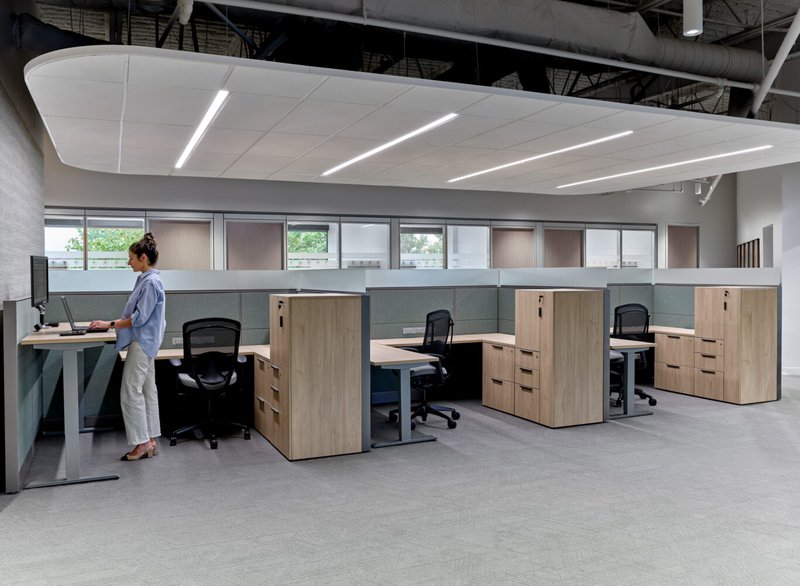
Experienced commercial installers work from detailed drawings that reference every panel, component, and connector. That level of technical precision minimizes rework and keeps the client's timeline intact. Installation errors are often the costliest to resolve. They require disassembly, reordering, and additional labor that wasn't in the original budget.
Post-Installation Support and the Reality of Day 2 Management
Installation day is not the end of the project. It marks the beginning of the workspace's operational life. Staff levels shift, departments reorganize, and organizations grow into new functions.
A strong post-installation program keeps the environment functional as those changes occur. Without it, the investment made during the initial build starts to erode. Key components of this program include:
- Warranty service for damaged or defective components
- Reconfiguration support when layouts need to adapt to new headcounts or workflows
- Asset tracking so facilities teams maintain an accurate record of inventory and location
Organizations that overlook this step often end up with mismatched components and no documentation of what they own. Proactive asset management lowers waste, simplifies future decisions, and protects the original capital investment.
Work with Teknion Dealers Who Manage Every Phase
Innovative Commercial Interiors (ICI) has guided commercial interior projects across the region since 1986. As certified Teknion dealers, they bring a full-service approach to every engagement. That includes space planning, specification, procurement, and professional installation.
ICI works directly with corporate clients, architects, and facility managers. They also serve real estate professionals navigating large-scale projects. The goal is to keep every project on budget and on time.
ICI also provides the Day 2 assistance that many clients need after the installers have left. Reconfiguration, warranty coordination, asset documentation, and ongoing space management are all part of how they maintain long-term client relationships.
If your organization is preparing for a new build, a renovation, or a large reconfiguration, contact ICI today.